
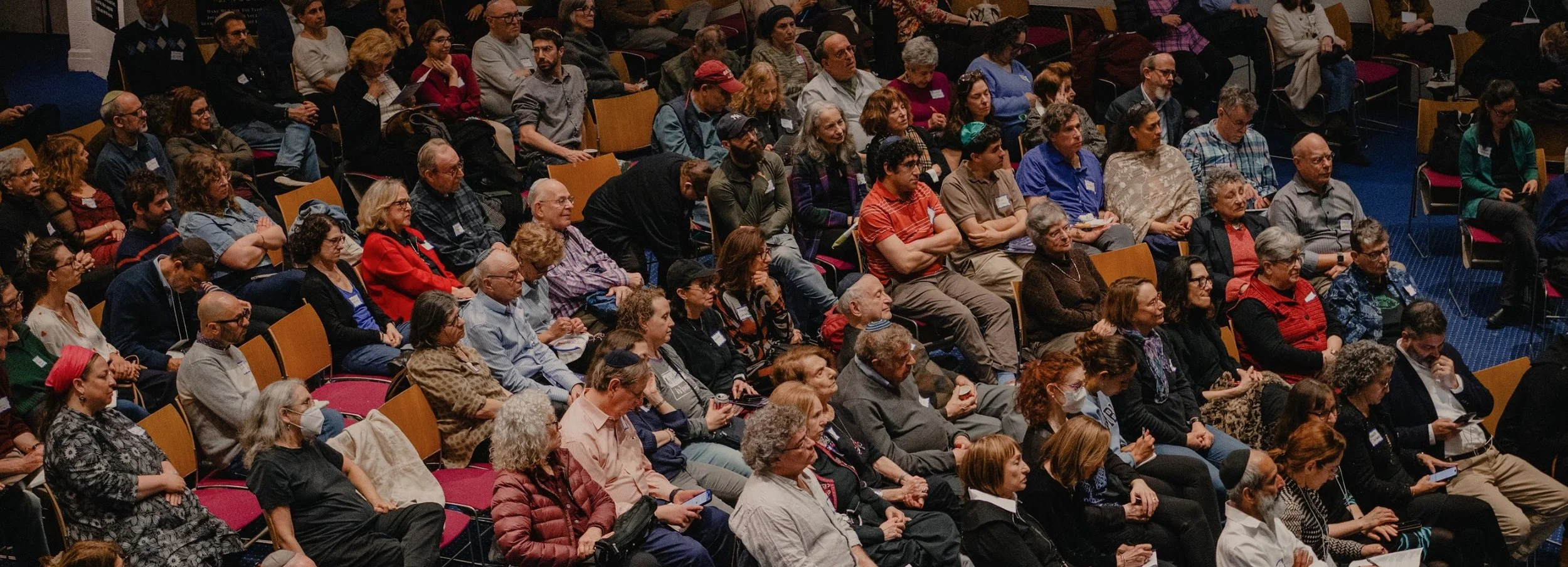
Conference Theme
סור מרע ועשה טוב בקש שלום ורדפהו
Swerve from evil and do good, seek peace and pursue it
When and Where?
Sunday, March 8, 2026
כ׳ בַּאֲדָר תשפ״ו
10:30 am-5:30 pm
B’nai Jeshurun Synagogue
270 West 89th Street, New York, NY
Livestream https://www.youtube.com/@smolemunius
The Smol Emuni US 2026 Conference will confront the moral urgency of this moment—bearing witness to the devastation of Gaza, the violence across Israel and the West Bank, and the fear, trauma, and responsibility that shape our Jewish lives today. We will wrestle honestly with what it means to name injustice, acknowledge harm, and examine our own implication as Jews and as Americans. From that reckoning, we turn toward action—exploring Jewish frameworks of teshuvah, tikkun, and moral courage as tools for repair, accountability, hope, and the pursuit of a more just future.
Morning Plenary
Welcome
Rabbi Roly Matalon and Rabbi Felicia Sol, B’nai Jeshurun
Opening
Rachel Landsberg
Witnessing the Devastation of Gaza - סור מרע
Over the past two years, Israel has carried out widespread devastation and loss of life in Gaza, intensified violence in the West Bank, and seen deepening fear and trauma within Israel itself. The commandment סוּר מֵרָע—to turn away from evil —demands that we first confront reality honestly: to see suffering clearly, to name injustice, and to reckon with our own implication and responsibility.
Aharon Dardik
Amira Hass
Gregory Khalil
Rabbi Mikhael Manekin
Esther Sperber
Moderator: Prof. David Myers
Afternoon Plenary
Communal Address
Rabbi Saul Berman
Musical Interlude
Yoni Kretzmer
Video Message from MK Gilad Kariv
The Commandment to Do Good -עשהטוב
If סוּר מֵרָע calls us to turn away from evil, עֲשֵׂה טוֹב commands us to move toward the good.
Judaism does not assume moral perfection, rather it offers pathways for repair when we fall short: tikkun (repair), tochacha (loving rebuke), and teshuvah (return). These are not abstract ideals, but practical tools—for individuals, for communities, and for institutions to help us chart a path forward when harm has been done.
Many among us feel that our Jewish institutions, our leaders, our rabbis—and we ourselves—have failed to live up to our responsibilities as religious Jews guided by Torah values. This plenary asks what it means to act faithfully now. We will hear from religious, political and grassroots leaders who are doing inspiring work in these areas.
Dr. Eman Ansari
Rabbi Sharon Brous
Mickey Gitzin
Rabbi Chaim Seidler-Feller
Moderator: Dr. Rivka Press-Schwartz
Closing Words
Esther Sperber
Conversation & Torah Circles
Immigration, ICE, and the Torah’s Call to Protect the Ger
Rabbi Saul Berman, Rabbi Mike Moskowitz, Zoe Schonfeld, moderated by Noah Gottschalk
Immigration policy and enforcement are shaping lives and communities across the United States in urgent and often painful ways. What is our responsibility as observant Jews in this moment? This session brings together an immigration lawyer and two rabbinic activists to share stories from the field, reflections from past and present civil rights struggles, and Torah that calls us to protect the ger. Together, we will explore how the Jewish community can respond with moral clarity, courage, and concrete action.
Downlaod NYC Immigration resource sheet here
Teach Your Children Well: Towards an Honest Israel Education Curriculum
Limor Yaakov Safrai, Gershon Rozenberg, and Hamutal Keinan, moderated by Arnold Franklin
Schools play a crucial role in shaping the ideas and values of future generations. In this session, which will bring together educators and students, we will explore how Israel and its history are presented in the curriculum of Jewish schools in both the US and Israel. We will consider what an honest and nuanced understanding of Israel might look like, and how schools can balance historical complexity with community values.
A Land for All: بلاد للجميع :ארץ לכלם One Homeland, Two States
Rabbi Chaim Seidler-Feller and Omar Dajani, moderated by Rabbi Shuli Passow
Join Rabbi Chaim Seidler-Feller and Omar Dajani for a discussion of a Jewish/Palestinian partnership promoting Confederation as a vision for the future of Israel/Palestine. Learn about this peace initiative that is grounded in equality, dignity, and justice for both peoples and how you can get involved.
God as Ger: A Theology of Strangers
Dr. Rabbi Erin Leib Smokler
Anchored in Chasidic commentary, come explore how our tradition relates to gerim and even imagines a God who is one. What are the moral implications of this kind of radical theology?
Download source sheet here.
Zionism and Nationalism in the Haredi Community
Musya Herzog and Meyer Labin, moderated by Sruli Fruchter
Are Haredim doomed to follow the political far-right? Musya Herzog, who grew up in the Chabad-Lubavitch community, and Meyer Labin, a Hasidic writer and journalist, join Sruli Fruchter for a candid conversation about Israel, Zionism, and the changing political landscape within ultra-Orthodox communities — and what it might take to cultivate a more compassionate and pluralistic vision for the future.
Oscar Nominated Film Screening
Children No More
Tirza Leibowitz, Dr. Michelle Friedman
Throughout 2025, participants in silent vigils on Tel Aviv’s streets held up photographs of children from among the at least 17,000 killed in Gaza. This session will be a screening and discussion of Children No More, which moves between demonstrators and passersby, capturing on camera moments of gratitude, perplexity, vitriol, and accusations of betrayal. Viewing this short, intense documentary together opens a conversation about empathy—how it is lost, whether it is enough on its own to demand action, along with other pressing questions.
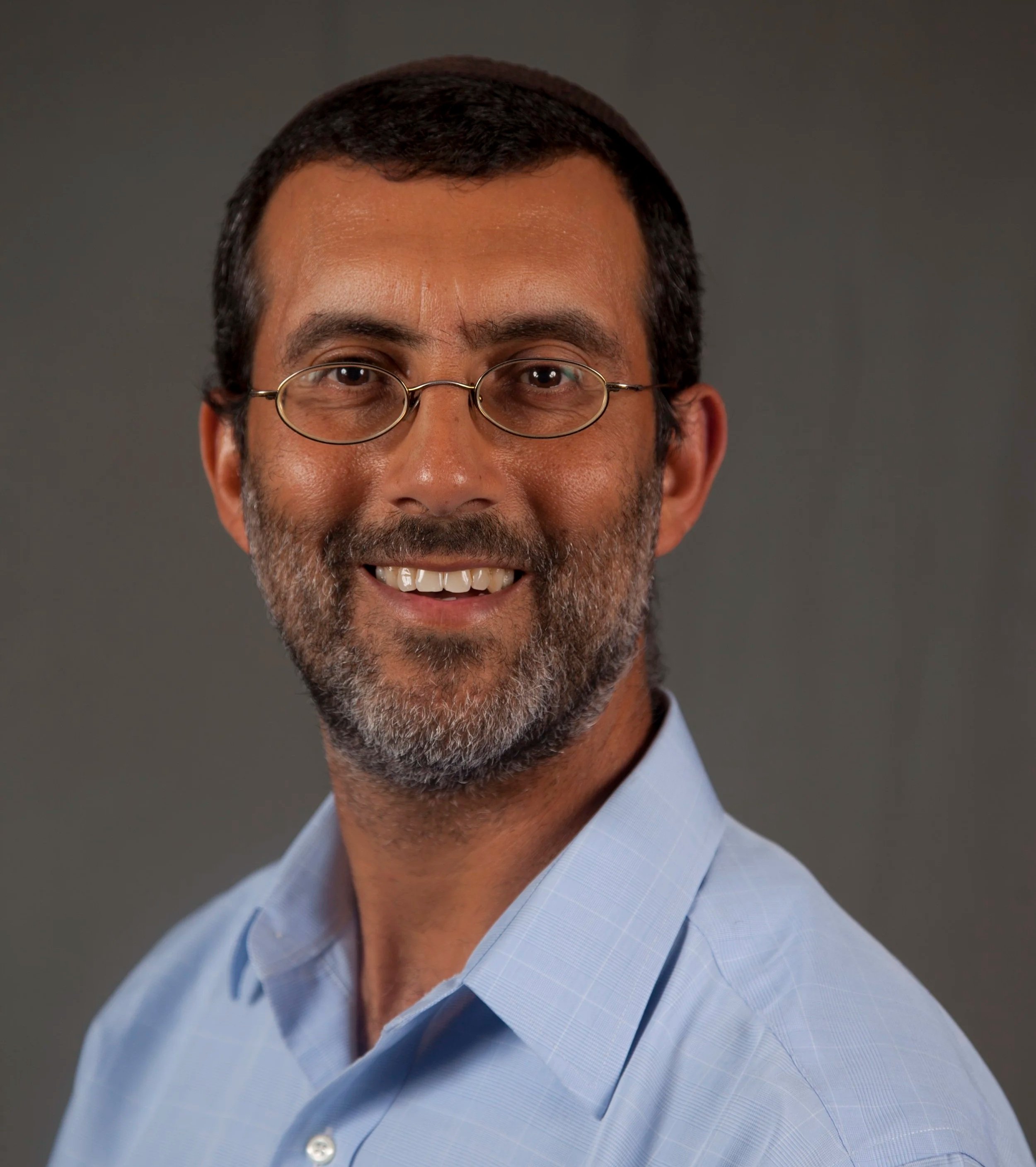
Generative Heartbreak in the Teachings of Rebbe Nachman of Breslov
Rabbi David Jaffe
This experiential session, based in the teachings of Rebbe Nachman of Breslov, will explore how the heartbreak we feel at the current socio-political situation can be used to generate the ratzon/desire needed to power individual and collective action for change.
Download source sheet here
Speakers
-
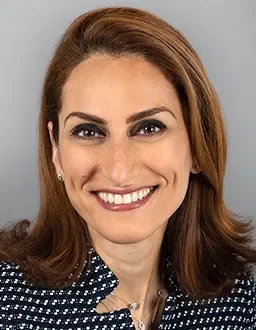
Dr. Eman Ansari
Dr. Eman Khadra Ansari is a Palestinian-American physician and Assistant Professor of Pediatrics at Harvard Medical School. Beyond her clinical and academic work, she actively fosters intellectual growth and community engagement as the director of her organization’s book club, championing literature as a tool for professional development, empathy, and social awareness. She is also deeply involved in joint Palestinian and Jewish community efforts advocating for justice, dignity, and lasting peace.
-
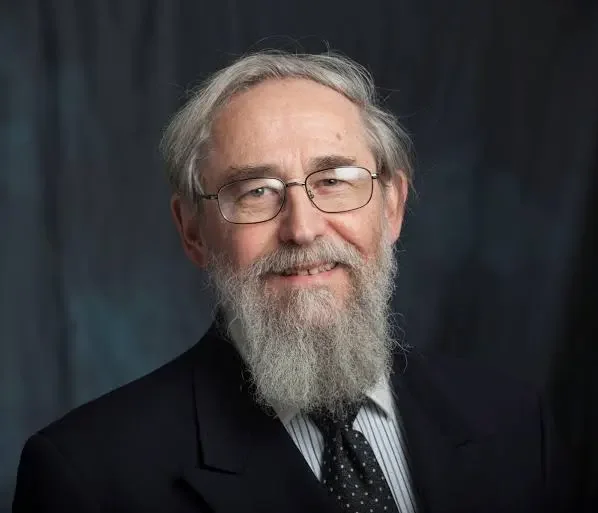
Rabbi Saul Berman
Rabbi Saul J. Berman was ordained at Yeshiva University and earned a J.D. from NYU Law School and an M.A. in Political Science from UC Berkeley. He pursued advanced studies in Jewish Law at Hebrew University and Tel Aviv University. He served as rabbi in Berkeley, Brookline, and at Lincoln Square Synagogue in Manhattan. A leader in the Soviet Jewry movement, he was twice arrested in Selma in 1965 during voter registration efforts. Since 1971 he has taught at Stern College and, since 1990, at Columbia Law School, specializing in Jewish law and ethics.
-
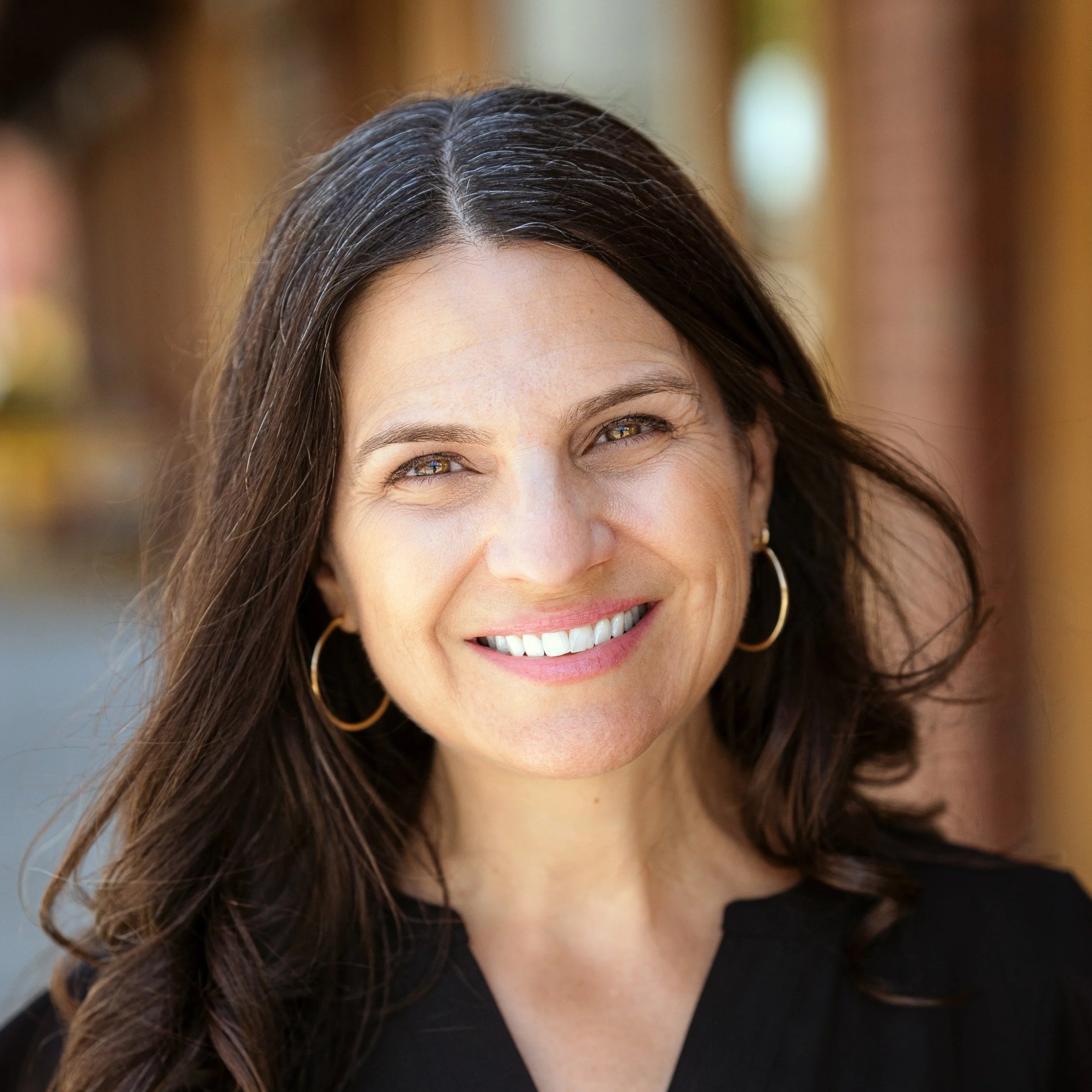
Rabbi Sharon Brous
Rabbi Sharon Brous is the founding and senior rabbi of IKAR, a trail-blazing Jewish community based in Los Angeles, and author of The Amen Effect: Ancient Wisdom to Mend our Broken Hearts and World, a national bestseller. Her TedTalk, “Reclaiming Religion,” has been viewed by more than 1.5 million people. Rabbi Brous is in the inaugural cohort of Auburn Seminary‘s Senior Fellows program, which unites top faith leaders working on the frontlines for justice, and she serves on the International Council of the New Israel Fund .
-
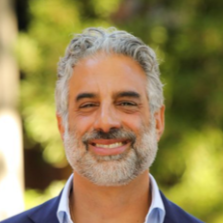
Professor Omar Dajani
Omar Dajani is the Carol Olson Professor of International Law at McGeorge School of Law, University of the Pacific, and a senior advisor on peace and conflict resolution in Israel-Palestine. He serves on the Joint Board of A Land for All and is co–Principal Investigator of The Shared Homeland Paradigm, a major research and policy initiative on political partnership and rights. Previously, he advised the Palestinian negotiating team in peace talks with Israel and has published widely on Palestine-Israel, including in Foreign Affairs, the New York Times, and the Washington Post.
-
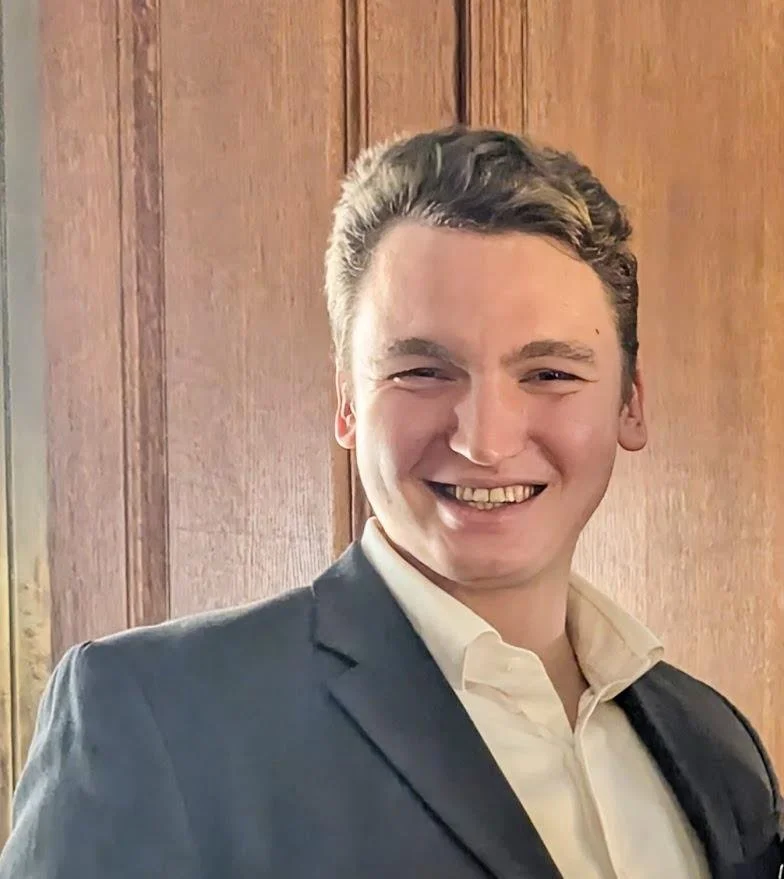
Aharon Dardik
Aharon Dardik is an Israeli-American ex-settler, conscientious objector to the Israeli military, and nonviolent activist. He is currently a degree candidate at Columbia University in both the Philosophy and Political Science programs. Aharon founded Columbia Jews for Ceasefire in the wake of the Israeli military’s response to the October 7th attacks, and has acted as a critical leader in Columbia's student protests. His work can be found on his Substack where he writes about the intersection between activist work, the foundational assumptions of the left, and the wisdom of the Torah.
-
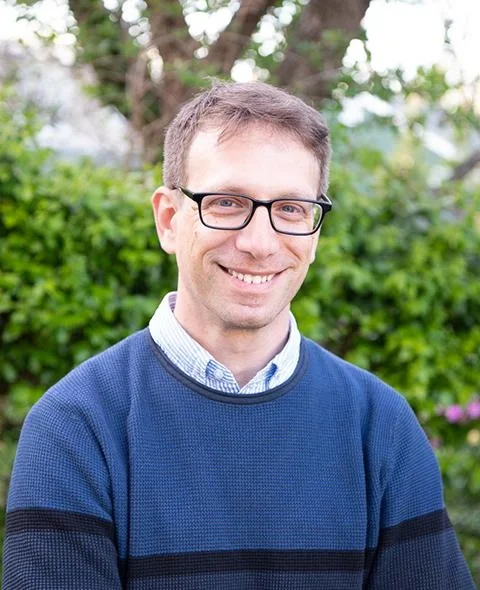
Professor Arnold Franklin
Professor Arnold Franklin works in the History Department at Queens College, CUNY, where he also serves as director of the Jewish Studies Program and the Center for Jewish Studies. His research focuses on Jewish society and culture in the medieval Islamic world. He is the author of This Noble House: Jewish Descendants of King David in the Medieval Islamic East (UPenn, 2013) and editor of Posen Library Volume 3: Encountering Christianity and Islam (Yale, 2026).
-
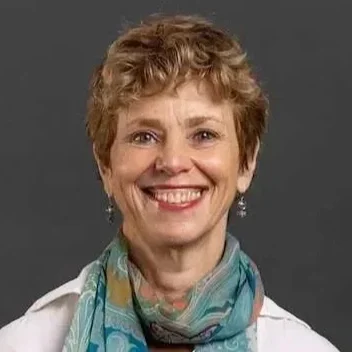
Dr. Michelle Friedman
Dr. Michelle Friedman is a psychiatrist who focuses on the Jewish community. She holds the Steven and Sharon Lieberman Chair in Pastoral Counseling at YCT Rabbinical School, is Associate Professor of Clinical Psychiatry at the Icahn School of Medicine at Mount Sinai in New York has a private practice in Manhattan and is the co-author of The Art of Jewish Pastoral Counseling: A Guide for All Faiths published in 2016.
-
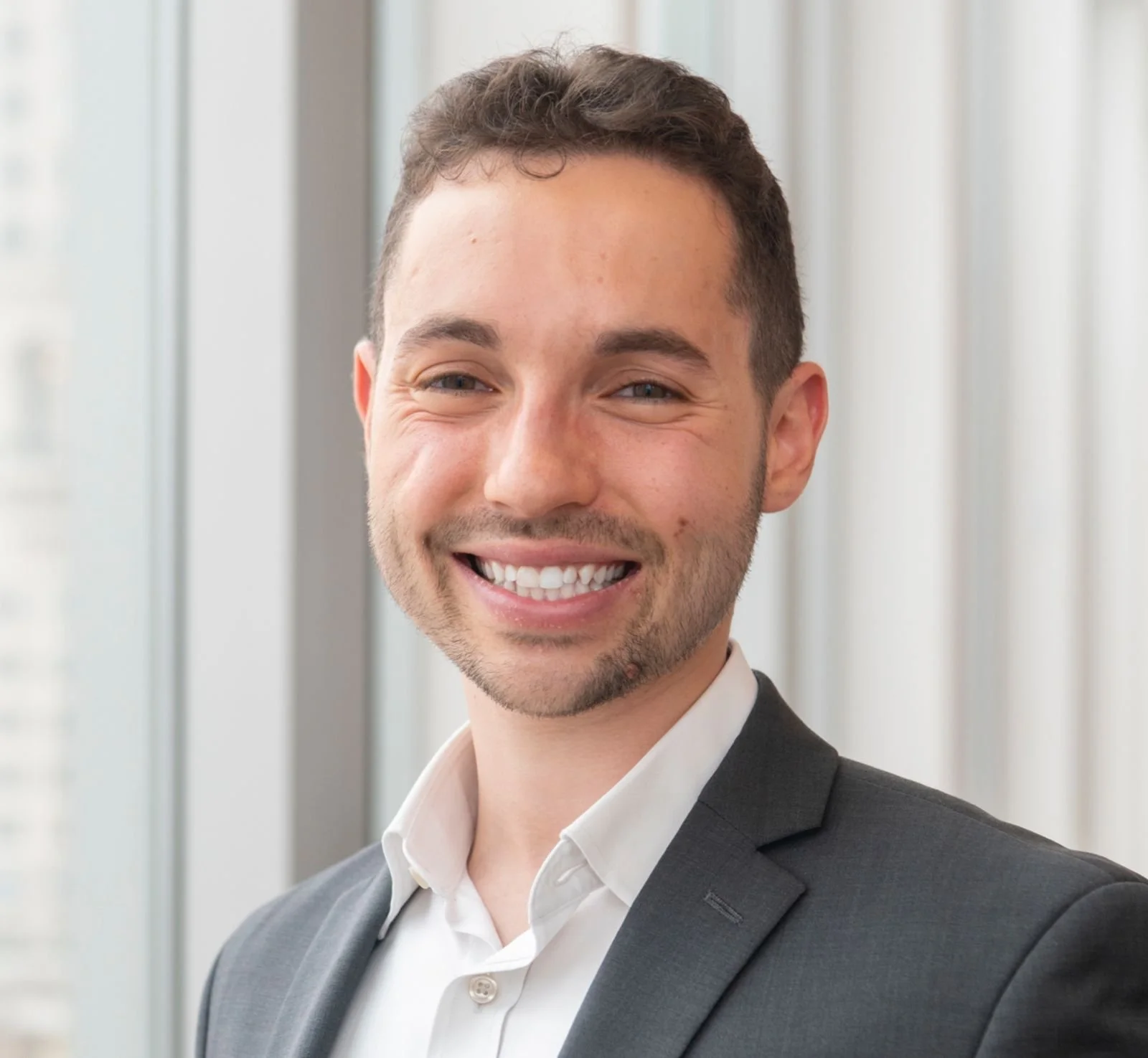
Sruli Fruchter
Sruli Fruchter is a writer, editor, and nonprofit manager. He is a contributing columnist at the Forward, and has interviewed left, right, and centrist Israeli thinkers, including Benny Morris, Rula Daood, Mosheh Lichtenstein, and Natan Sharansky. Sruli is studying at the Rabbi Isaac Elchanan Theological Seminary for rabbinic ordination and is receiving his master’s in Jewish Philosophy from Revel.
-
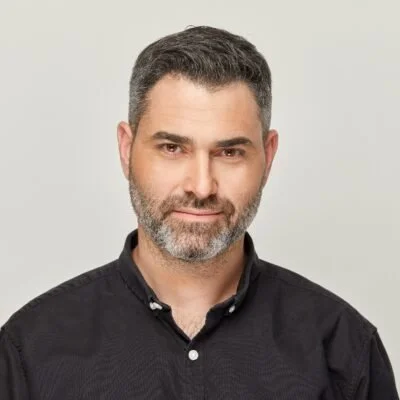
Mickey Gitzin
Mickey Gitzin is the Acting Chief Executive Officer of the New Israel Fund, having previously served as the Executive Director. He has also served as a city council member in Tel Aviv-Jaffa, and as a spokesperson for MK Ilan Gilon (Meretz). Mickey holds a master’s in public policy from the University College-London, where he was a Research Fellow in the Israeli–Palestinian Atkin Fellowship, and a BA in International Relations and Islamic and Middle Eastern Studies from the Hebrew University of Jerusalem.
-
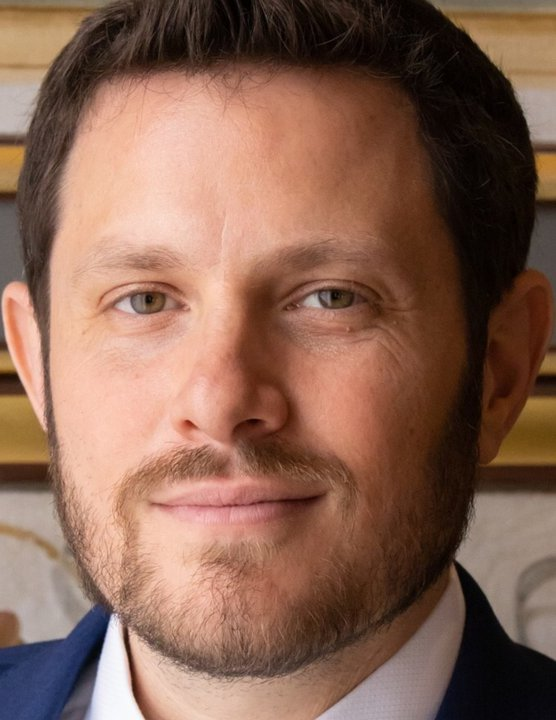
Noah Gottschalk
Noah Gottschalk is Chief External Relations Officer at HIAS, where he leads the organization’s efforts to build a global Jewish movement for refugee protection and welcome. Noah has more than two decades of experience promoting the human rights of people impacted by conflict, natural disasters, and displacement, and has spent much of his career living and working in countries experiencing complex crises in the Middle East and Africa.
-
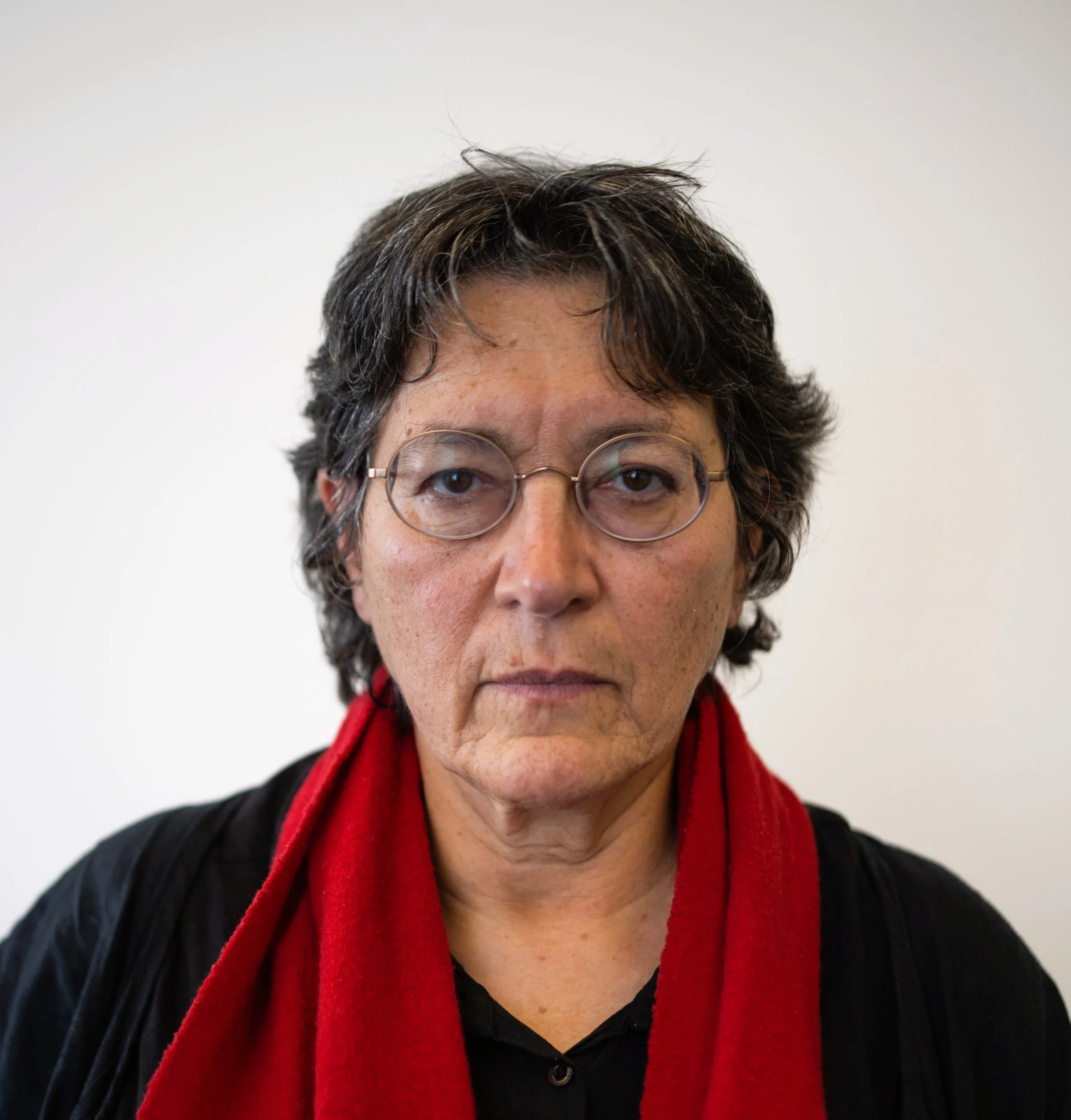
Amira Hass
Amira Hass was born in Jerusalem to Holocaust survivors and members of the communist party. For 35 years, she has reported on Israeli occupation and Palestinian society in the Gaza Strip and the West Bank for Haaretz. She is the author of Drinking the Sea at Gaza and Reporting from Ramallah. She also prefaced her mother's diary, which was written in the concentration camp of Bergen Belsen 1944-1945 and republished by Haymarket Books.
-
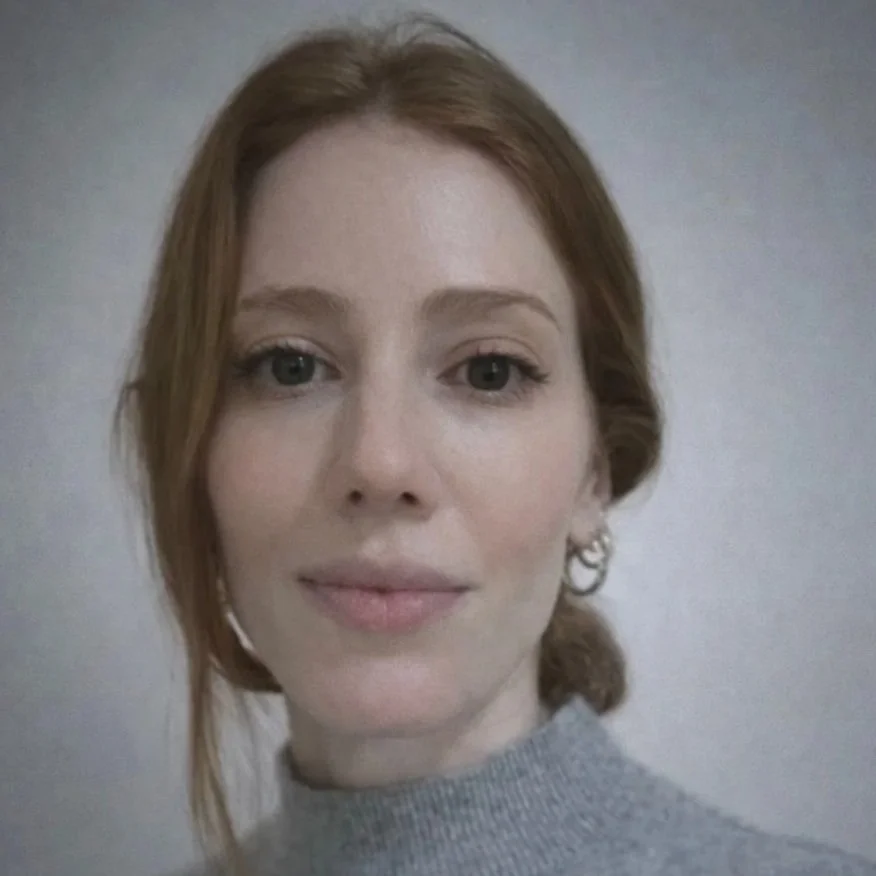
Musya Herzog
Musya Herzog is a Brooklyn-based neuropsychologist and lecturer who grew up in the Chabad community of Crown Heights. Actively involved in social causes, she is a volunteer with Smol Emuni and manages the organization’s social media, helping amplify its mission and impact.
-
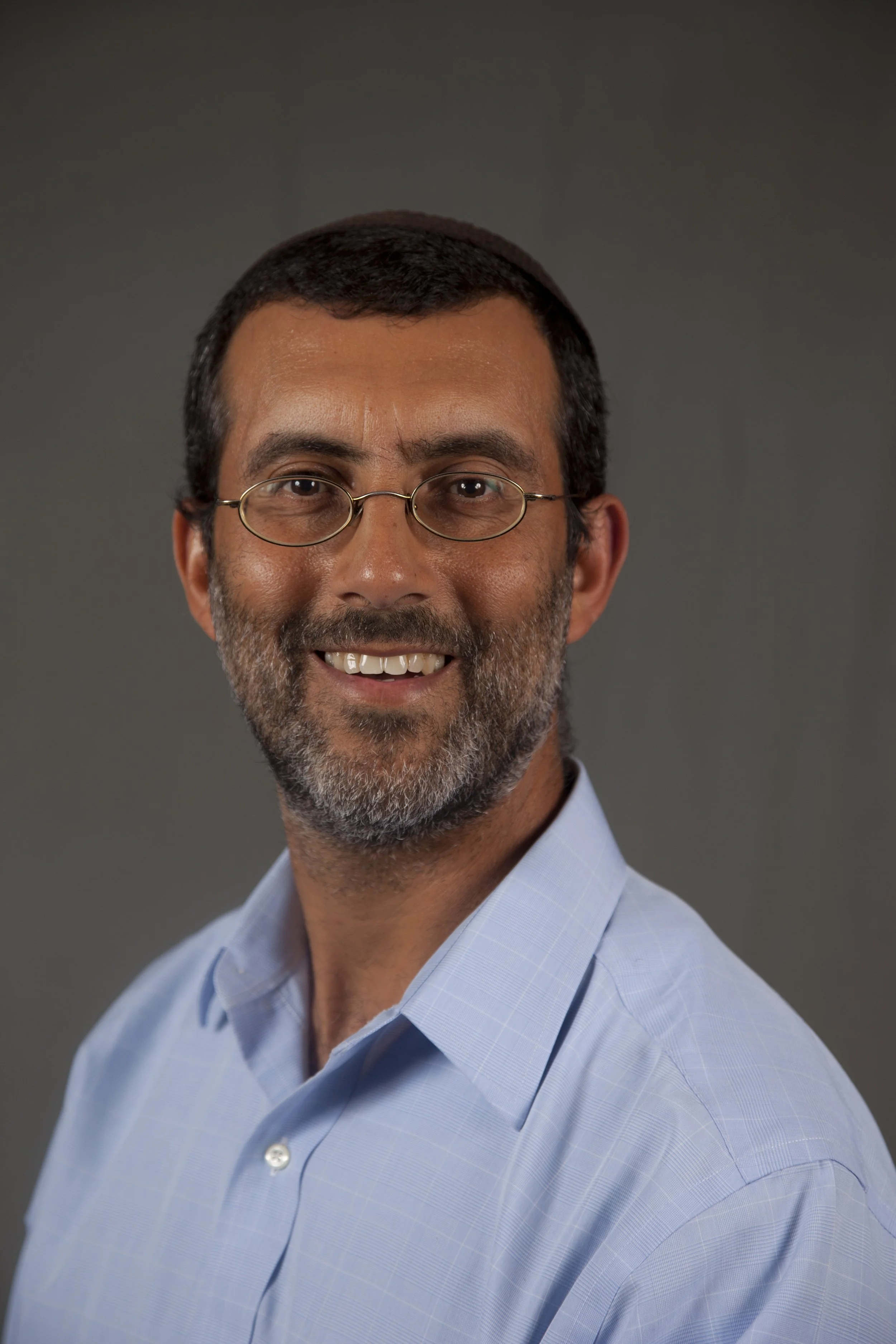
Rabbi David Jaffe
Rabbi David Jaffe is the Founder and Executive Director of Kirva, an organization dedicated to integrating Penimiyut, Jewish spiritual teaching and practice, with the work of social change. He is the author of the National Jewish Book Award winning Changing the World from the Inside Out: A Jewish Approach to Personal and Social Change. Rabbi Jaffe’s teaching, writing and consulting focuses on the intersection of spiritual and moral development with ethical action in the world.
-
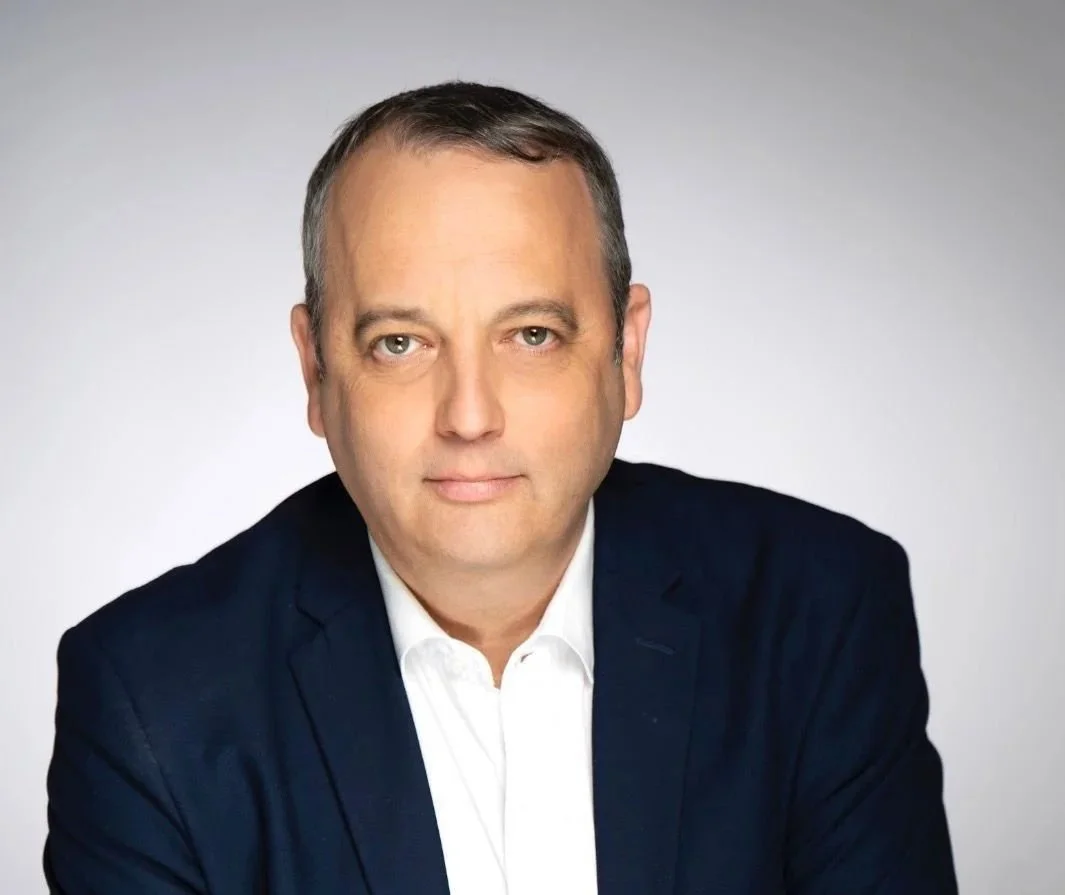
MK Rabbi Gilad Kariv
Rabbi Gilad Kariv serves as a Member of the Knesset representing the Labor Party and is Chair of the Knesset Committee on Immigration, Absorption and Diaspora Affairs. Prior to entering the Knesset, he served as Executive Director of the Israel Movement for Reform and Progressive Judaism. Rabbi Kariv has been a leading voice in fighting the Netanyahu government's judicial overhaul. He has also been a prominent figure promoting religious pluralism, a two-state solution, Jewish-Arab coexistence, and strengthening ties between Israel and the Jewish diaspora.
-
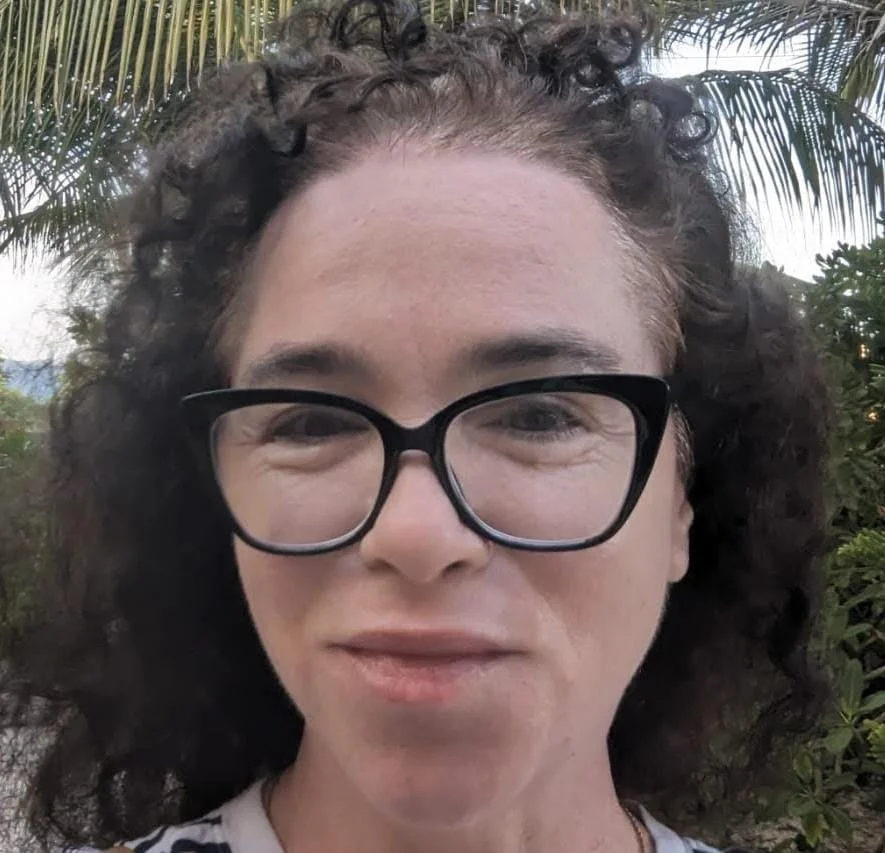
Hamutal Kleinan
Hamutal Keinan is the Director of Hebrew Language Instruction, a Jewish History teacher and Coordinator at Luria Academy of Brooklyn, where she has been a faculty member for the past seven years. Born and raised in Israel, Hamutal holds a B.A. in Middle Eastern Studies from Tel Aviv University. She is a certified Educational Evaluator Specialist and earned her M.A. in Education from Bar-Ilan University. In addition, she holds a teaching certificate in Special Education from Tel Aviv University. Hamutal lives in Brooklyn with her husband, Eran, and their son, Nadav.
-
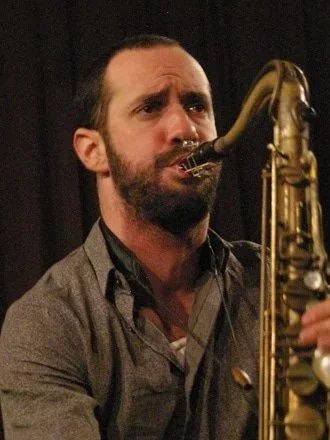
Yoni Kretzmer
Yoni Kretzmer was born and raised in Jerusalem and relocated to Brooklyn (via Tel Aviv) in 2010. He leads many groups including trios, quartets, quintets and a chamber sextet alongside writing for larger groups. Kretzmer has also ran a bunch of north-Brooklyn music series curating over 100 shows. Yoni attended the American School of Modern Music in Paris, France. He has releases 14 albums under his own name and co-released many more.
-
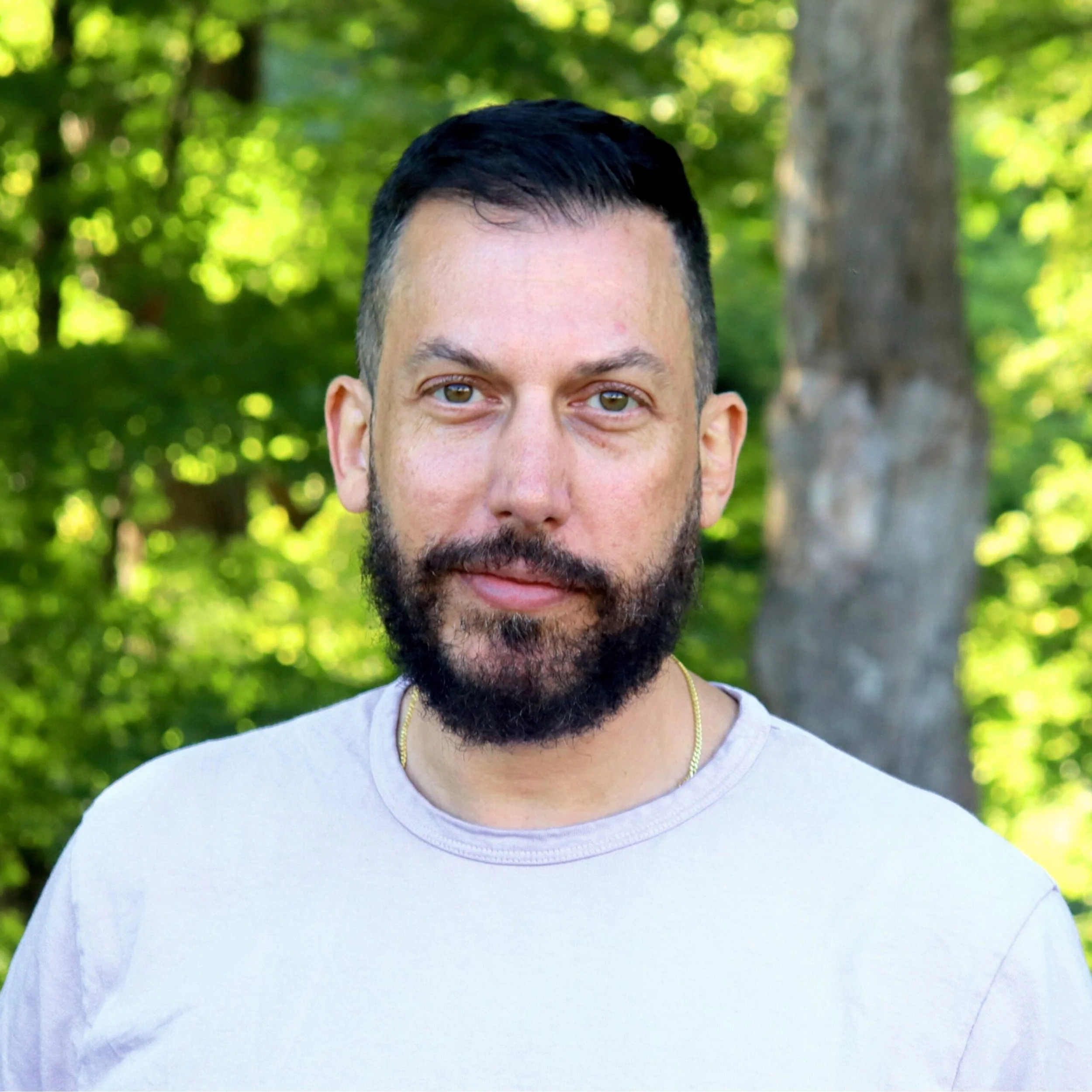
Gregory Khalil
Gregory Khalil is Co-Founder and President of Telos, a Washington D.C. based nonprofit that equips American leaders to build a world in which we can all flourish by unleashing our power to confront injustice. From 2018-2025, Greg was also an Adjunct Professor at Columbia University's Graduate School of Journalism, where he co-taught "Covering Religion" with Ari Goldman. Before founding Telos, Greg lived in Ramallah, Palestine, where he advised Palestinian leadership on negotiations with Israel, including during Israel's so-called 2005 "Disengagement" from Gaza.
-
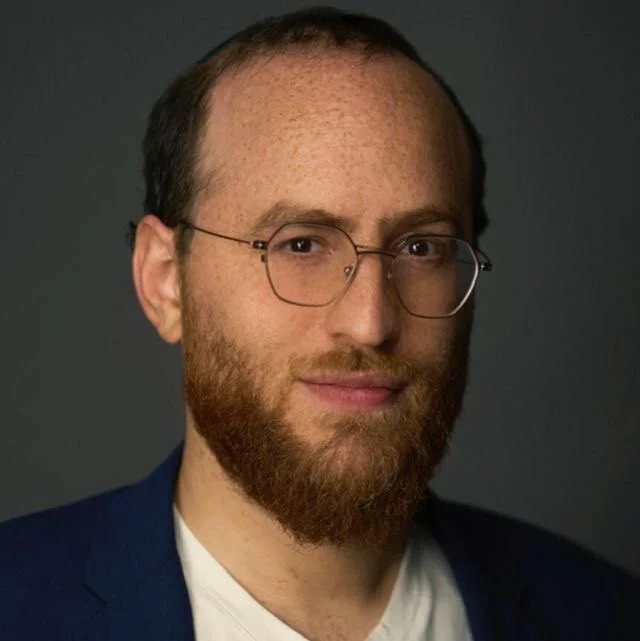
Meyer Labin
Meyer Labin is a creative director and branding strategist, as well as a thought leader, columnist, and Yiddish writer. His writing explores culture, community, and contemporary Jewish life, grounded in lived experience. Drawing on this perspective, Labin brings intellectual depth and a unique perspective to the Jewish conversation surrounding political and social issues.
-
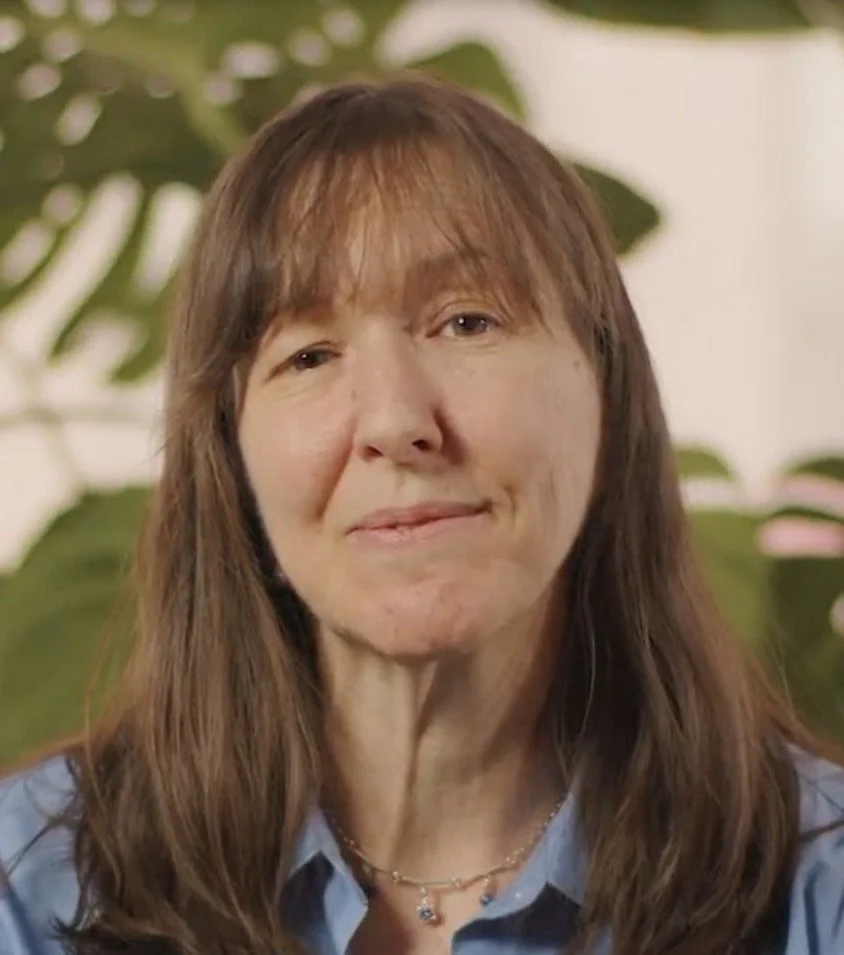
Rachel Landsberg
Rachel Landsberg is a Jewish educator, facilitator, and community organizer. She taught Judaic Studies for 18 years at the Abraham Joshua Heschel High School and has led Jewish climate action initiatives and educational programs across the Jewish community. She is a co-founder of Smol Emuni US, where she serves as Program Director.
-
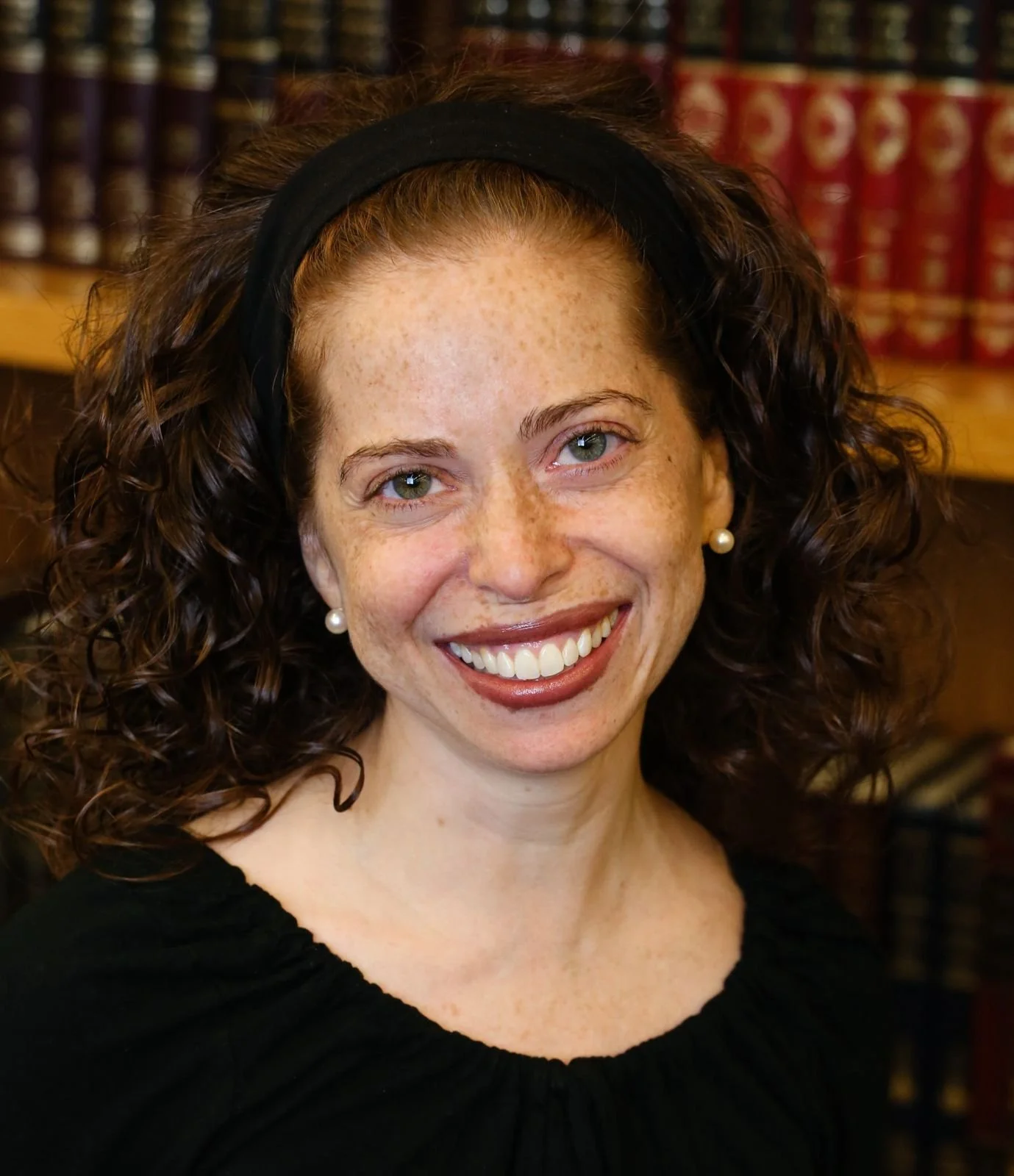
Rabbi Dr. Erin Leib Smokler
Rabbi Dr. Erin Leib Smokler is the Director of Spiritual Development at Yeshivat Maharat, where she teaches Chasidism and Pastoral Torah. Rabbi Dr. Smokler earned both her PhD and MA from the University of Chicago’s Committee on Social Thought, and her BA from Harvard University. She was ordained by Yeshivat Maharat.
-
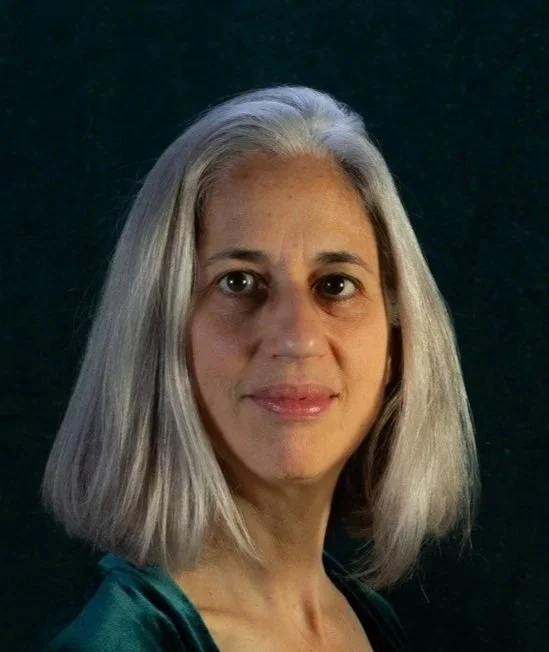
Tirza Leibowitz
Tirza Leibowitz is deputy director for Physicians for Human Rights Israel. Previously she litigated and led initiatives for equality and justice with Bizchut—The Human Rights Center for People with Disabilities and the Open Society Foundations.
-

Rabbi Mikhael Manekin
Rabbi Mikhael Manekin is the director of the Alliance Fellowship Program and an activist in the Israeli Faithful Left. He previously led the progressive think tank Molad and, before that, directed the veterans' organization Breaking the Silence. His book, End of Days: Tradition and Power in Israel, was translated into English in 2023. Most recently, he published a Hebrew collection titled Sermons from the Abyss. He lives in Jerusalem with his wife, Yael, and their three children, Ruth, Sarai, and Noach.
-
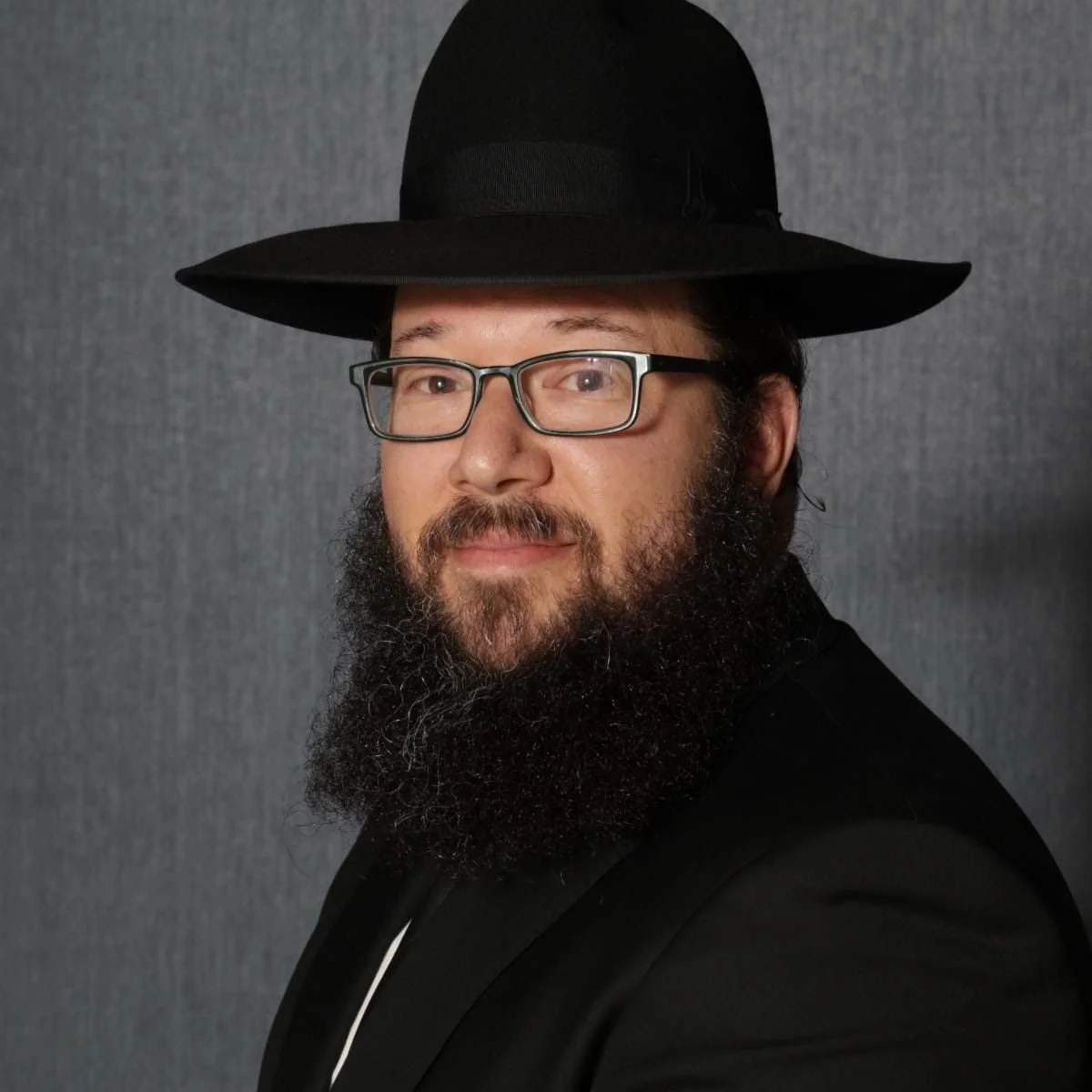
Rabbi Mike Moskowitz
Rabbi Mike Moskowitz is the Director of Scholarship and Multi-faith Engagement at The Beacon, a project of Union Theological Seminary. He also serves as the Scholar-in-Residence for Trans and Queer Jewish Studies at Congregation Beit Simchat Torah, the world’s largest LGBT synagogue. Rabbi Moskowitz received three Ultra-Orthodox ordinations while learning in the Mir in Jerusalem and BMG in Lakewood, NJ. He is a Wexner Field Fellow, Senior Rabbinic Fellow at the Hartman Institute, and the author of Textual Activism, Graceful Masculinity, Seasonal Resistance, and Ancestral Allyship.
-
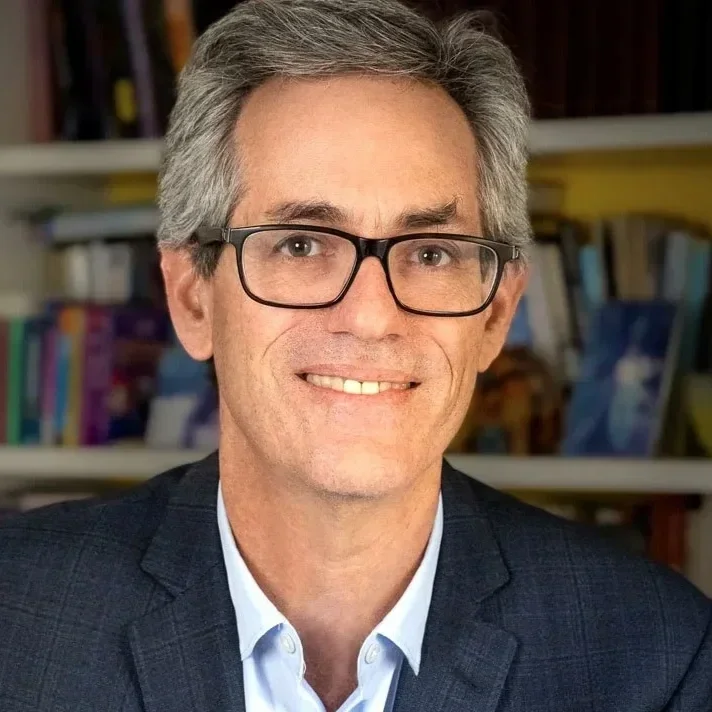
Professor David Myers
David N. Myers is Distinguished Professor of History and the Sady and Ludwig Kahn Chair in Jewish History at UCLA. He is the author or editor of many books, including, with Nomi Stolzenberg, American Shtetl: The Making of Kiryas Joel, a Hasidic Village in Upstate New York (Princeton, 2022) – winner of a National Jewish Book Award – and, with Nechumi Malovicki-Yaffe, New Trends in the Study of Haredi Culture and Society (Purdue, 2024). From 2018-2023, David served as president of the New Israel Fund.
-

Rabbi Shuli Passow
Rabbi Shuli Passow is a teacher and community organizer who serves as the Chief Program and Engagement Officer at B'nai Jeshurun, a Manhattan synagogue. She lives with her husband and their two sons on the Upper West Side.
-
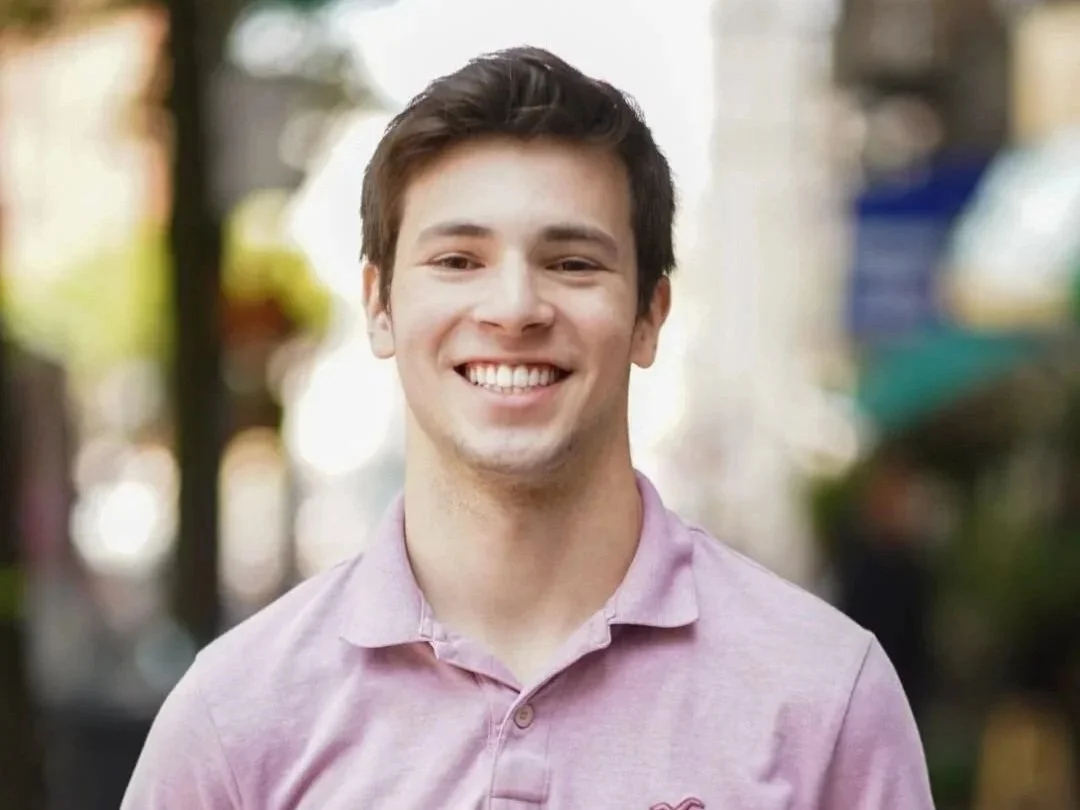
Gershon Rozenberg
Gershon Rozenberg is a junior at SAR High School. He is the author of “SAR Should Encourage a Broader Understanding of the Gaza Conflict,” calling for broader, more thoughtful dialogue about the Gaza conflict. He is a staff writer for his school newspaper and a captain of the debate team. In his free time, he enjoys watching hockey and is an avid fan of the Washington Capitals.
-
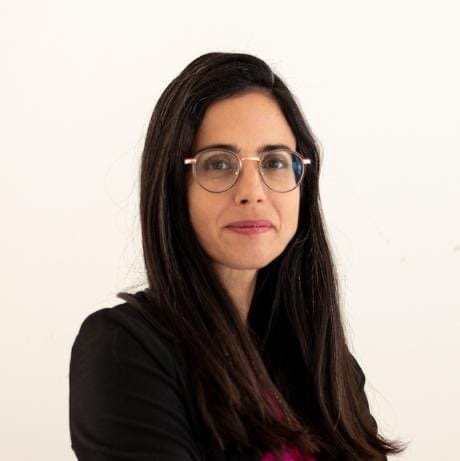
Limor Yaakov Safrai
Limor Yaakov Safrai is the CEO of HaSadeh, an organization advancing Jewish humanistic education within Israel’s religious and ultra-Orthodox school systems and a central actor in the emerging Faithful Left ecosystem. Over the past two decades, she has worked at the intersection of education, community leadership, and social responsibility, including serving as Head of Education for the Lower Galilee Regional Council and as Director of Education and Youth for the Religious Kibbutz Movement. She founded and led the Torah va’Avodah Midrasha.
-
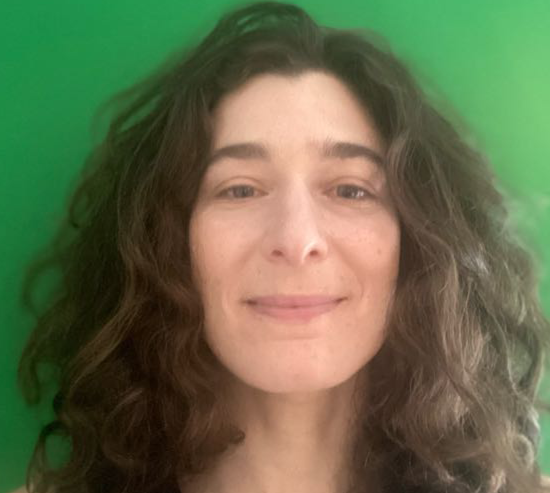
Zoe Schonfeld
Zoe Schonfeld is the Attorney-in-Charge of the immigration practice at the Center for Family Representation (“CFR”) in New York. She represents non-citizen clients of CFR’s Family Defense, Early Defense and Youth Defense Practices. Previously, she represented parents in Article 10 proceedings from 2013-2018 before Trump’s family separation policy inspired her to pivot into immigration law. She is the granddaughter of Holocaust survivors, who always welcomed the stranger.
-
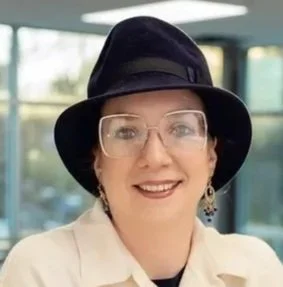
Dr. Rivka Press Schwartz
Dr. Rivka Press Schwartz has spent more than 20 years in the fields of Jewish secondary and post-secondary education. Rivka holds a Ph.D. from Princeton University in the History of Science.
-

Rabbi Chaim Seidler-Feller
Rabbi Chaim Seidler-Feller was ordained at Yeshiva University in 1971, and served for forty years as the Executive Director of the Yitzhak Rabin Hillel Center for Jewish Life at UCLA. A founding member of Americans for Peace Now, he is currently a faculty member of the Shalom Hartman Institute, North America and of the Wexner Heritage Foundation.
-

Esther Sperber
Esther Sperber is an architect, founder of Studio ST Architects. Born and raised in Israel, she has been living in New York for 25 years. She writes and lectures about architecture, culture, religion and psychoanalysis. She is one of the founders of Smol Emuni US as well a leaders of the Hostages' Family Forum in New York and the pro-democracy protests.